At the beginning of this year, could we have imagined that only a few months in, the world would be like this?
But let me also ask you this: today, can we imagine what the world will look like at the end of this year? When all this passes, will the world be the same again?
I wonder.
When the alarms sound the end of this invisible war, when the lockdown is done and the coast is clear, and we face the sun again… how long will it be until we forget what we went through for the past few weeks. Or past few months?
Will we forget?
The moment we start shaking hands again, and sneezing unabashedly in public again, and seeing the hand sanitizer basket at the check-out line full again… will we turn our backs to what was and instead snuggle back under the comfort of a veil of amnesia? Will this stay-home sacrifice be simply a safety kit to lay low until the danger’s gone, or will we keep with us mindsets and modes to last a lifetime?
Fundamentally, will things change?
Hopefully we will be better prepared – or start getting better prepared – if something like this were to happen again. Or, more likely, when.
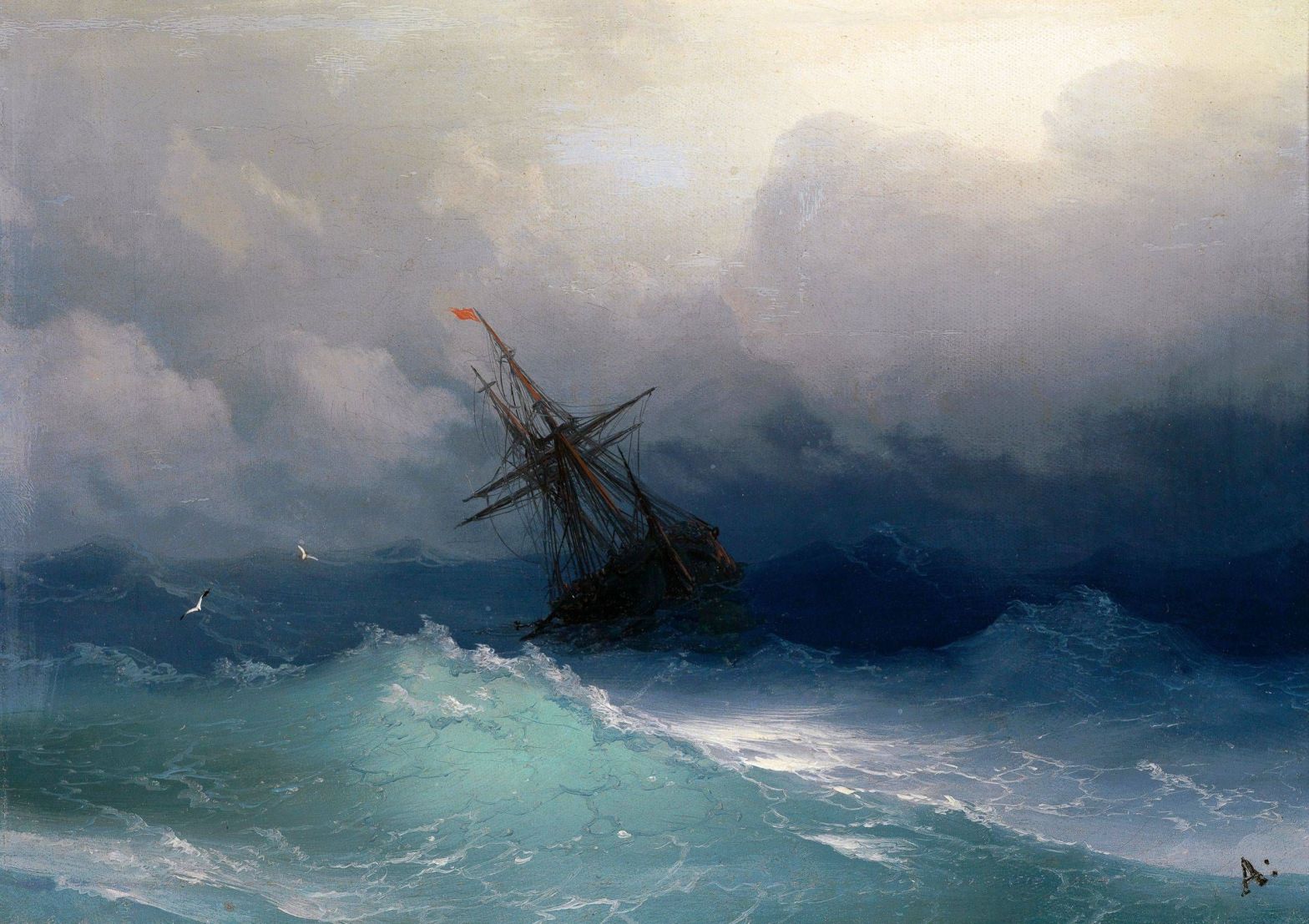
But beyond that, when the storm subsides and our battered but still sailing ship finally makes landfall, what will we take with us as we disembark?
Will we start saving up better for the rainy day and live more healthy and hygienic lives? Will we better appreciate our family, our friends, and the freedom we have? Will a casual cup of coffee on a lazy Saturday morning at the corner of a bustling park ever be sipped the same way?
Maybe when we meet, we’ll stay just a little bit longer, hug just a little bit stronger, and when we ask “what’s up?” or “how are you?” we will actually care about the answer.
Over time, letters were replaced by calls,
and calls ended up becoming emails,
and emails ended up becoming texts,
and texts were replaced by Instagram messages,
and those were eventually left on “seen” or left unseen…
… and maybe a virus will help us undo this chain reaction and climb back up the ladder of personal interaction?
Will we plan better for future contingencies… or maybe instead refuse to plan too hard because, well, who knows what’s going to happen?
Will our perception of “uncertainty”, “unknown”, and “indefinite” change? Will “change” be just as uncertain? Will we better understand what these words mean in reality… will we be more immune toward their whims?
And after the danger dissipates and our common enemy is tamed, will my feeling of solidarity toward my fellow stranger become any less? When I lock eyes with him as we cross paths, will we still nod to each other from underneath our masks, as code that together we bear arms in this battle against the invisible?
I wonder.
When all this passes, when we make landfall, will we recognize the land on which we then stand?
Or will we even be too busy to notice, pouring back into our old ways, very much like the water rushes to fill the void on the other side of the dam as soon as the floodgates open?
Maybe.
But water, too, has memory. And I do hope, that like water, maybe, when all this comes to pass, we will maintain an impression of our quarantined past – when social distance made us more connected, lack of resources more resourceful, and lack of human contact, somehow, more human.
We probably won’t be much different. But I hope we will be differently.
 Chronicles