The day starts in darkness.
It is morning, 6:30am, so yells my phone. But lying flat on my stomach with my head tilted to the left and one cheek still pressed against my flattened pillow, my pupils make a feeble attempt to peep from under my still-heavy eyelids in search of proof of what my alarm tells me. They see none.
Blindly, my right hand slithers over the bedsheets toward the cliff of the bed and rappels itself down the side, reaching toward my blaring phone as if in one-handed prayer, in plea to allow their common master a few more minutes of sleep. It’s an uneven match: my hand grabs the phone, wrestling it into docility by pushing the snooze button on the side. The phone shuts up. It all happens so quickly.
6:39am, and the phone sets itself free for this chokehold and starts over with its wail. The violent wavelengths of this shriek turn into a saw, entering one ear and exiting the other, rippling through my mind in this journey. I muster enough muscle in me to push-up myself from the mattress, kick my leg out from under the sheets and onto the ground, and lunge the weight of my body into waking up.
We have a call in a little over an hour.
Peering outside from between the cracks of the curtains, I can tell that the sun has risen, but I cannot see it. The building across mine stands as an immovable behemoth that imposes its shadow onto the inside of my home. Pulling the curtains aside, I step outside onto the balcony and look upward – the sky is waking up, too, with the silhouettes of the cumulus clouds revealing their silver linings as they greet the sun. But the sun itself I cannot see.
In 20 minutes the call is about to start.
It is an online event that comes as a defiant response to the coronavirus, a push-back against its rampant campaign to corner our days into monotony and place our schedules under the shackles of uncertainty. An event to prove that we have not yet relinquished all control over the timing of our work and the pace of our lives. That even if fear and concern insist us to wait, reason and faith instruct us to continue.
This call is a call about huys… or hope. It is about the cause that has been driving my colleagues and me to seek to open doors for others as were once opened for us. It is about acknowledging, if tacitly, that the greatest of deeds are almost never accomplished alone and the most impactful of happenings have been centuries in the making. It is a call about realizing that the most powerful hope for the future is not without us, but within us and around us.
14 minutes to go until the call, I activate the link and I’m joined by my colleagues. There’s Anna and Hayk from New York, Vitali and Jacqueline from London and Yerevan, Anahit from Los Angeles and Anahit from Bogota, and Aida joins from the next room. Emilia jumps on to the call from Cambridge, right before we start. The groundwork is all set, the test run is done, screen sharing works, and we are ready to roll.
I open up the waiting room window and instantly notice the name “Shaké Khzrtian” in the list of attendees; my sister will be connecting from halfway across the world. My heart swells. “Admit all,” I click on the button at the top.
Within minutes, beaming faces populate the gallery-view grid of Zoom, giving a vivid definition of the meaning of this call, of the meaning of hope. I see my sister Only the future can tell what challenges these bright minds will face tomorrow, leaving solutions in their stead. The trails they will blaze and the tops they will topple once they are armed with great education and empowered with the freedom to think and to create, restricted solely by their sense of responsibility, guided always by their minds, their hands, and their hearts.
The call ends on the high note of inspiration, with wishes for health and wellbeing and a beautiful Easter weekend with meaning uncompromised by the times. Waiting for the last attendee to leave, I end the meeting, close the window, and close my laptop. The home is flooded with light, I notice.
I turn around to face the balcony door.
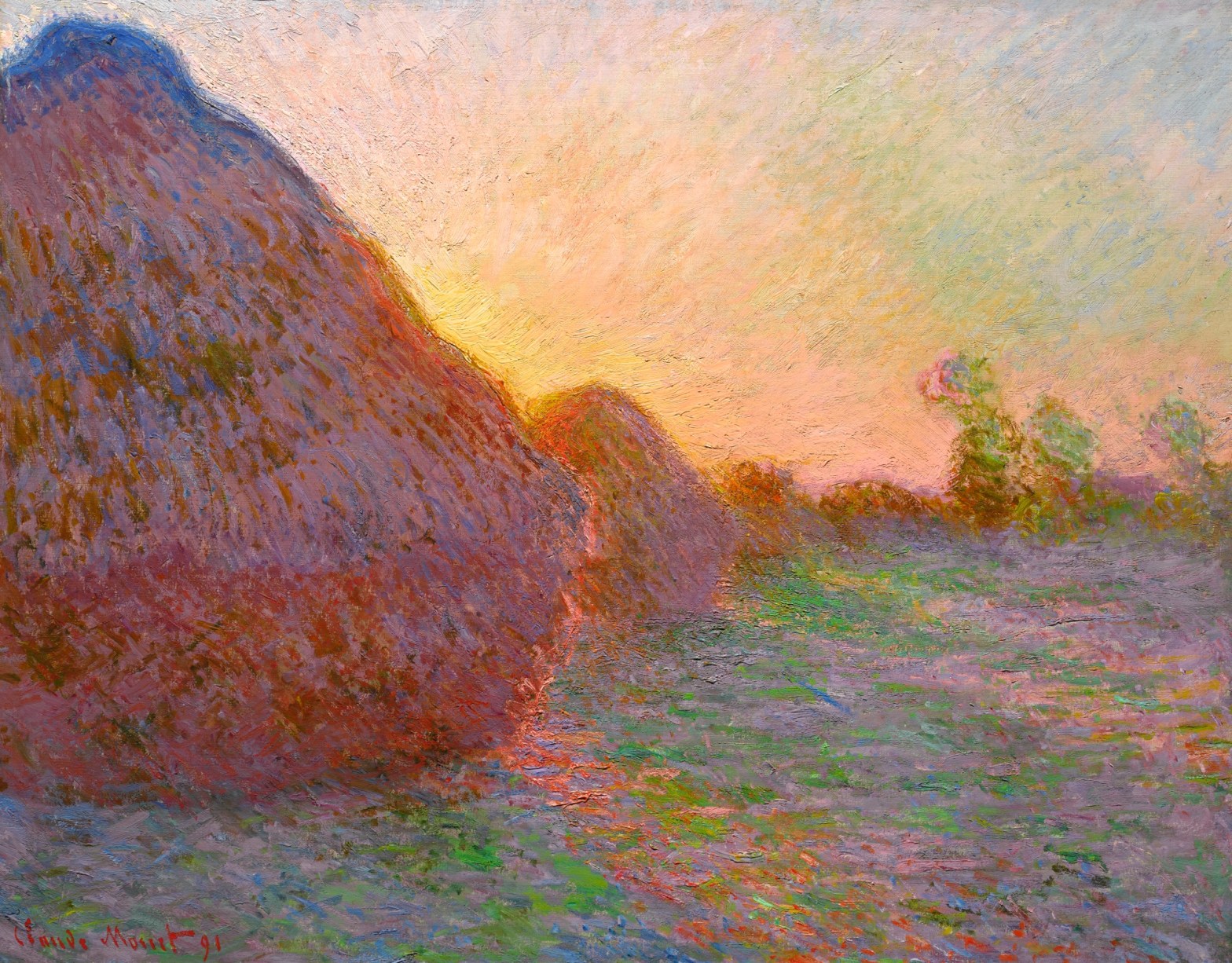
Beaming through the unintentional crevice that is formed by the top of the building across from mine and the roof of my balcony, piercing through an infinity of nothingness comes a ray of sunlight as if a lone message of unfailing hope.
Once more, I step outside and look upward, and shining from beyond the pure-white clouds of before is the source of truth that I had been seeking with my heavy, morning eyes.
Sometimes you may not see it with your eyes. You may even choose to not see it. You may seek it but never achieve it. But even if all else fails, may hope prevail. Because even if your day starts in darkness, hope may bring daylight home.
 Chronicles